
Gummy Supplement Brand Launch: Step-by-Step Guide for B2B Brand Owners | Biowearth

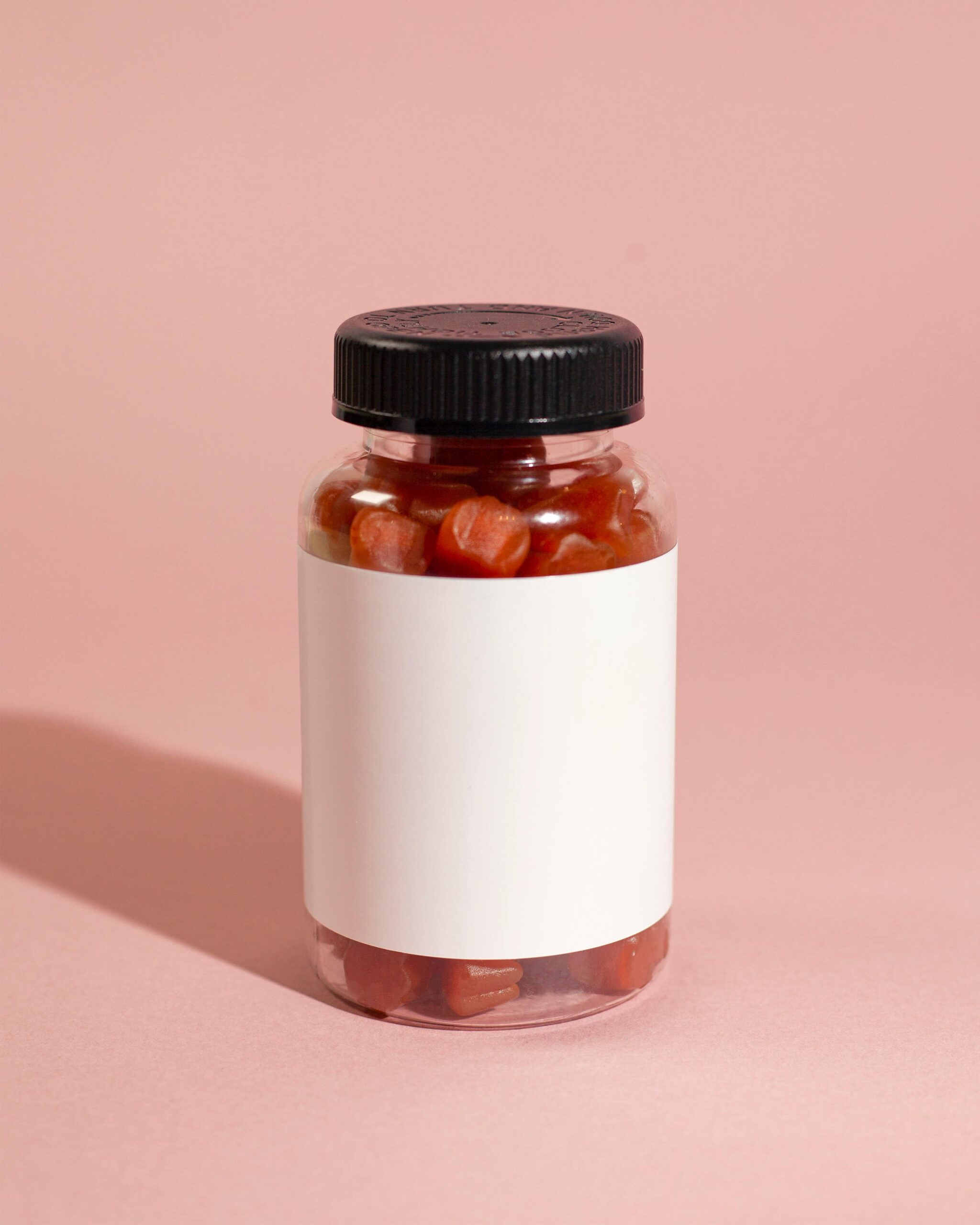
Starting a supplement brand is one of those decisions that sounds straightforward until you get into the details. You’ve identified a gap in the market, you have a customer in mind, and you know what kind of product you want to put your name on. But between that idea and a finished product sitting on a shelf — or landing on a customer’s doorstep — many steps can trip up a brand if it goes unprepared. Working with a private label gummy manufacturer in India is one of the most practical ways to close that gap, because the right manufacturing partner handles the complexity that most new brand owners simply don’t have the infrastructure to manage on their own.
Launching a gummy brand isn’t just about choosing fruity flavors and colorful packaging. It’s about understanding formulation, compliance, branding, and customer psychology—while partnering with the right manufacturer who can translate your vision into a high-quality, market-ready product.
This guide walks you through every stage of building your gummy supplement brand—from idea to shelf—so you can make informed decisions and avoid the common pitfalls that slow down most first-time founders.
Why Gummies Are Dominating the Supplement Market
Before diving into the “how,” it’s worth understanding the “why.”
Traditional capsules and tablets still dominate by volume, but gummies are winning in consumer preference. They’re easier to consume, more enjoyable, and increasingly associated with lifestyle wellness rather than clinical supplementation.
Here’s what’s driving their growth:
- Taste-first consumption: People are more consistent with supplements that taste good
- Convenience: No water needed, easy to carry
- Broader audience appeal: Kids, adults, and even seniors prefer gummies
- Brand differentiation: Gummies allow creativity in shape, color, and flavor
For new brands, this means one thing: gummies lower the barrier to entry in terms of customer adoption—but raise the bar in terms of product experience.
Step 1: Define Your Product Strategy
Every successful gummy brand starts with clarity.
Before you even approach a private label supplements manufacturer, you need to answer a few foundational questions:
What problem are you solving?
Are you targeting:
- Immunity?
- Hair, skin, and nails?
- Sleep and stress?
- Digestive health?
The more specific your positioning, the easier it becomes to market your product.
Who is your audience?
- Millennials looking for beauty supplements
- Parents buying for kids
- Fitness enthusiasts
- Working professionals
Each segment has different expectations around taste, packaging, and price.
What makes your product different?
This is where many brands struggle.
Your differentiation could come from:
- Clean-label ingredients
- Sugar-free or vegan formulations
- Unique flavor combinations
- Clinically backed ingredients
If you’ve explored Biowerth’s earlier discussions on ingredient transparency and evolving supplement formats, you’ll notice a consistent emphasis on building trust through formulation—not just marketing.
Step 2: Choose the Right Gummy Manufacturer in India
Selecting the right gummy manufacturer India is one of the most critical decisions you’ll make.
Not all manufacturers are created equal. Some focus on scale, others on innovation, and only a few balance both.
What to look for:
1. Formulation Expertise
When you start working with a private label gummy manufacturer in India, you’ll typically be offered two routes: ready-to-launch formulations or custom formulation development. Both have their place, and the right choice depends on where your brand is in its journey.
- Ready formulations are pre-developed, stability-tested products that the manufacturer has already validated for production. They’re available to brand owners as a private label — meaning you apply your branding, packaging, and labeling to a formula that’s already market-ready. This route is faster, lower-cost, and lower-risk. It’s an excellent starting point for new brands, for brands testing a new category, or for anyone who wants to launch quickly without the time and cost of custom R&D.
- Custom formulation development is the route for brands that have a specific product vision, a proprietary blend, or a differentiation strategy that requires building from scratch. This takes longer — typically 8–16 weeks depending on the complexity and whether stability testing needs to be run — but it gives you a formula that no other brand can replicate.
2. Certifications & Compliance
Ensure they follow:
- FSSAI guidelines
- GMP certification
- ISO standards
This is non-negotiable if you want to build a credible brand.
3. Customization Capabilities
From flavor to shape, your manufacturer should offer flexibility in:
- Texture (soft, chewy, firm)
- Coating (sugar, oil, or none)
- Functional blends
4. Minimum Order Quantity (MOQ)
If you’re just starting out, look for a manufacturer that offers manageable MOQs without compromising quality.
5. Transparency
Clear timelines, pricing, and communication are essential. Hidden costs and delays can derail your launch.
Step 3: Develop Your Gummy Formulation
The format and flavor choices for your gummy range aren’t just aesthetic decisions — they’re directly tied to compliance, shelf life, consumer perception, and production cost. Getting these right at the brief stage saves a lot of iteration later.
Working with your private label gummy vitamins partner, you’ll finalize:
Active Ingredients
Depending on your category:
- Vitamin C, Zinc (Immunity)
- Biotin, Collagen (Beauty)
- Melatonin, Ashwagandha (Sleep)
- Probiotics (Gut health)
Base Composition
- Gelatin vs Pectin (vegan option)
- Sweeteners (sugar, stevia, erythritol)
- Flavoring agents
Texture & Stability
Gummies must:
- Hold shape in different climates
- Maintain ingredient potency
- Have a consistent shelf life
This stage often involves multiple trials. Don’t rush it—your product experience depends heavily on getting this right.
Step 4: Flavor & Format Selection
Let’s be honest—flavor can make or break your gummy.
Popular Flavor Profiles in India:
- Orange
- Strawberry
- Mango
- Mixed berry
But there’s growing interest in:
- Exotic blends (passionfruit, blueberry-lime)
- Functional flavors (ginger-lemon for digestion)
Format Options:
- Bears
- Cubes
- Rings
- Custom shapes (brand-specific)
The key is to align flavor and format with your audience. A kids’ product will look very different from a premium wellness gummy for adults.
Step 5: Always Request Samples Before You Commit
This is one step you simply can’t afford to skip—no matter how eager you are to launch.
When working with a private label gummy manufacturer India, it’s tempting to fast-track production timelines and move straight to bulk orders. But experienced founders know that samples are where your product truly reveals itself.
And no, you’re not just tasting a gummy—you’re evaluating the entire experience.
Here’s what to pay attention to when reviewing samples from your gummy manufacturer India partner:
- Texture & Mouthfeel
A good gummy should have a clean bite. It shouldn’t feel overly sticky, too soft, or grainy. Texture consistency is a direct reflection of formulation expertise.
- Flavor Accuracy
Does the flavor match your original brief? Whether you’re building fruity, herbal, or functional profiles, the taste should feel intentional—not artificial or overwhelming.
- Color Consistency
Uniform color across batches signals good manufacturing control. Variations may indicate instability in formulation or process gaps.
- Active Ingredient Verification
Always cross-check the declared ingredients with the Certificate of Analysis (CoA). This ensures your private label gummy vitamins deliver what they promise.
- Aftertaste (Especially for Sugar-Free Gummies)
Sugar-free formulations are tricky. If the sweetener system isn’t balanced, you’ll end up with a lingering aftertaste—which can ruin repeat purchases.
But beyond the product itself, sample testing tells you something equally important: how your manufacturer works.
- Are they responsive to feedback?
- Do they understand your brief clearly?
- Are they willing to refine the formulation?
A private label supplements manufacturer who gets close to your expectations within the first couple of iterations—and communicates transparently—sets the tone for a smooth long-term partnership.
Step 6: Get Clear on Packaging & Branding Details
Packaging decisions often seem straightforward—until you get into the details.
With private label gummies, packaging isn’t just about aesthetics. It directly impacts compliance, cost, shelf life, and how your product is perceived by customers.
Primary Packaging Options
Here are the most commonly used formats:
Bottles (HDPE or PET)
The most popular choice across global markets.
- Easy to store
- Familiar to consumers
- Cost-effective for scale
Stand-Up Pouches
A growing favorite for D2C and e-commerce brands.
- Lightweight
- Great for shipping
- Enhances unboxing experience
Blister Packs
Often used for premium positioning.
- Better portion control
- Strong child-safety compliance
- Higher cost per unit
Choosing the right format depends on your brand positioning, pricing strategy, and target audience.
Labeling & Compliance
This is where many first-time founders underestimate the complexity.
If you’re working with a private label gummy manufacturer India but selling globally, your labels must meet the regulatory standards of each market.
- US Market: Requires DSHEA-compliant labeling (Supplement Facts panel, disclaimers, ingredient listing, manufacturer details)
- UK Market: Follows Food Information Regulations with different formatting and requirements
Labels aren’t interchangeable between markets. What works in India or the US won’t automatically work in the UK.
This is why many experienced brands rely on their private label supplements manufacturer for guidance—or work with specialized design partners who understand regulatory frameworks.
A visually stunning label that fails compliance checks can delay your launch and increase costs significantly.
Step 7: Understand MOQs, Pricing & Lead Times Realistically
One of the most common friction points between brands and manufacturers comes down to expectations.
Before you finalize your partnership with a gummy manufacturer India, make sure you have complete clarity on three things: minimum order quantities (MOQs), pricing, and timelines.
Minimum Order Quantities (MOQs)
MOQs vary depending on the complexity of your product:
- Standard formulations: Typically start from 5,000–10,000 units
- Custom formulations: Higher MOQs due to specialized ingredients or shapes
- Large-scale production: 50,000+ units for better cost efficiency
If you’re just starting out, it’s worth discussing flexible options with your private label gummy vitamins partner.
Pricing Transparency
Pricing isn’t just about the per-unit cost—it’s about what’s included.
Make sure your quote clearly outlines:
- Active ingredients
- Excipients (base ingredients)
- Primary packaging
- Label printing
Some manufacturers quote a lower base price but exclude packaging or labeling, which increases your final landed cost.
A reliable private label supplements manufacturer will give you a clear, all-inclusive breakdown.
Lead Times
Timelines can vary significantly based on your product type:
- Ready formulations: 4–6 weeks from order confirmation
- Custom formulations: Additional 8–16 weeks for development and testing
If you’re working toward a specific launch date, plan backward. Many brands run into delays simply because they underestimate how long formulation and production actually take.
Step 8: Get Your Compliance Documentation in Place
Manufacturing your product is only half the journey. Getting it legally into your target market is where documentation becomes critical.
If you’re partnering with a private label gummy manufacturer India for global distribution, you’ll need to ensure your paperwork is in order.
For the US Market
You’ll typically need:
- Certificate of Analysis (CoA) for each batch
- Certificate of Conformance
- DSHEA-compliant labeling
- FDA facility registration
If your formulation includes new or uncommon ingredients, additional regulatory filings may be required.
For the UK Market
Post-Brexit, requirements include:
- UK FSA notification for food supplements
- UK-compliant labeling
- A designated UK Responsible Person
Why This Matters
Not all manufacturers offer the same level of support here.
A gummy manufacturer India that regularly works with international brands will often have dedicated compliance teams to guide you through documentation.
This is a major differentiator.
Because at this stage, you’re no longer just choosing a supplier—you’re choosing a partner who can help you navigate regulations, avoid delays, and scale smoothly across markets.
Bringing It All Together
From sample testing to packaging, pricing, and compliance—these steps are where your gummy brand moves from idea to reality.
Working with the right private label supplements manufacturer ensures that each of these stages is handled with precision, not guesswork.
Take the time to evaluate, question, and refine at every step. Because in a category as competitive as private label gummies, the details aren’t just important—they’re what set your brand apart.
FAQs: What Brand Owners Ask Before Launching with a Private Label Gummy Manufacturer
How much investment is required to start a gummy brand?
The entry cost for a private label gummy brand varies based on MOQ, formula complexity, and packaging specification. At the lower end — using a ready formulation, standard packaging, and a minimum run of 5,000–10,000 units — a first production run can come in between $5,000–$15,000 USD depending on the formula and format. Custom formulation development adds R&D and stability testing costs before production begins. Marketing, regulatory compliance support, and platform or distribution setup are additional costs to budget separately from manufacturing.
What packaging options are available for private label gummies?
The standard packaging formats are HDPE or PET bottles (30-count, 60-count, and 90-count are most common), stand-up resealable pouches, and blister packs. Each has different cost, shelf-life, and consumer experience profiles. Bottles are production-efficient and familiar to supplement consumers. Pouches work well in DTC and gifting contexts. Blister packs convey premium positioning and portion control. All formats can carry full custom label printing in your brand design.
How to choose flavors and formats for gummy products?
Start with your target consumer’s preferences and your market. Citrus and berry profiles consistently perform well across the US, UK, and Australian markets. Tropical flavors work particularly well in summer-launch or lifestyle wellness positioning. For active ingredients with strong natural taste (ACV, certain botanicals), flavor masking is important and should be discussed explicitly with your manufacturer at the brief stage. Always evaluate flavor in the finished gummy format during sampling — raw ingredient flavor profiles don’t always translate directly into the gummy matrix.
How to create branding for gummy supplements?
Your brand identity should be defined before you start designing labels — but the label design process is where that identity gets expressed in a format that has to comply with strict regulatory requirements simultaneously. Work with a designer who has supplement label experience in your target market, or use the design support that established private label manufacturers offer. Your label needs to communicate your brand values, be compliant with Supplement Facts panel requirements, and be legible at the sizes dictated by your packaging format.
What mistakes should be avoided when starting a gummy brand?
The most common and costly mistakes are: choosing a manufacturer without physically evaluating samples first; underestimating lead times and launching with unrealistic timelines; choosing packaging formats that don’t meet the compliance requirements of the target market; under-budgeting for regulatory and compliance support; and starting custom formulation development without a locked-down brand brief — which leads to expensive rework. The brands that launch cleanly are almost always the ones that did their homework at the brief stage and treated the manufacturer relationship as a genuine partnership.
The Right Manufacturing Partner Changes Everything
Launching a gummy supplement brand is genuinely achievable without a pharmaceutical background or a large capital base — but it requires the right manufacturing partner to make it work. Working with an experienced private label gummy manufacturer India gives you a strong foundation, but your brand’s success ultimately depends on how well you bring everything together—from formulation to storytelling.
The brands that get this right are the ones that go in with clear briefs, ask the right questions, evaluate samples seriously, and treat the manufacturer relationship with the same rigor they’d apply to any other critical business partnership. The manufacturing infrastructure in India to support a globally competitive gummy supplement brand is there. The question is whether you’re ready to use it well.