
Super Greens Gummies Manufacturer Guide: How to Launch Your Own Brand in 2026

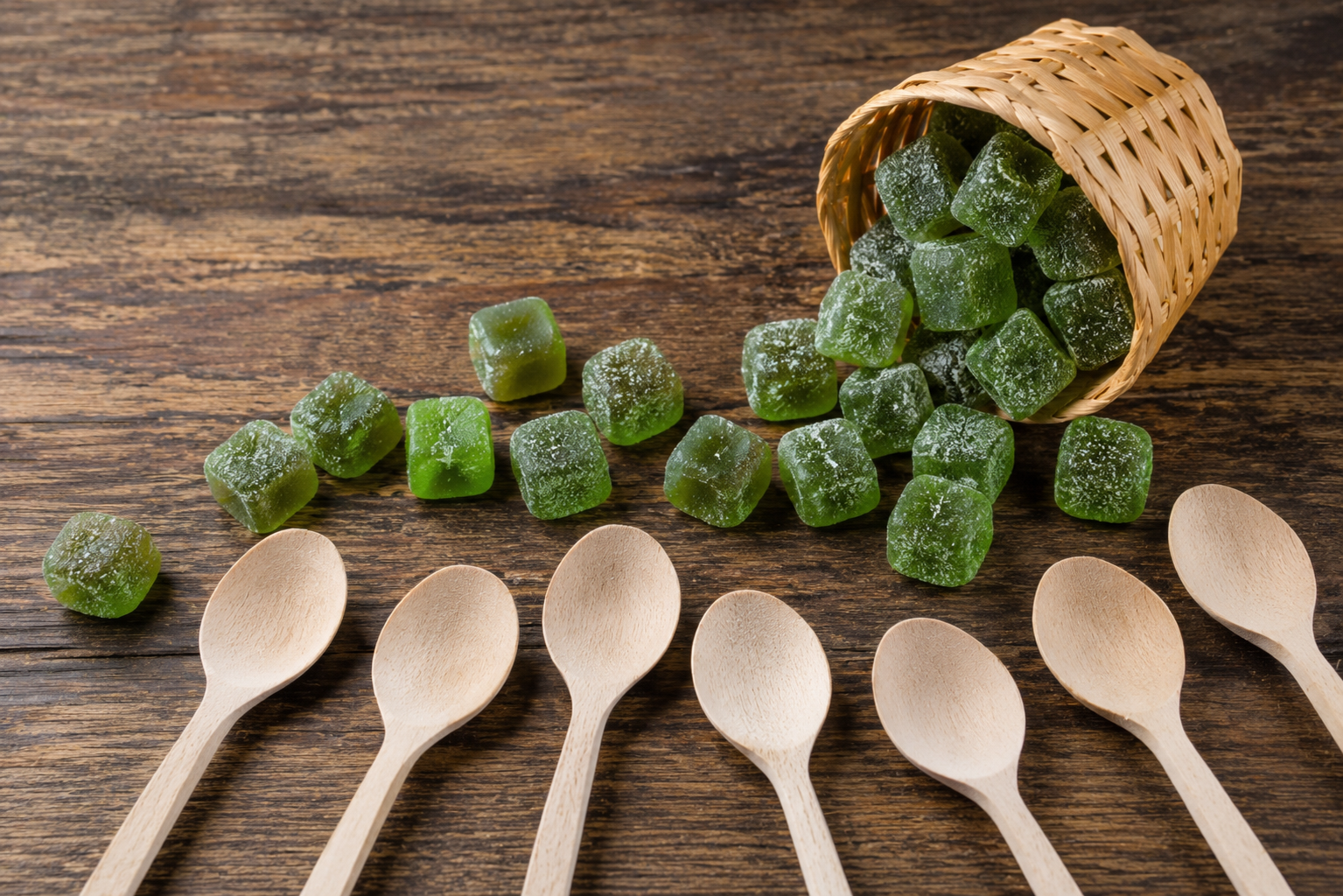
Here is the thing nobody tells you when you decide to launch a greens brand. The hardest part is not the greens. It is everything around them. Picking flavours people will not spit out. Getting your labels past customs. Finding a super greens gummies manufacturer who actually understands what spirulina does to a gummy base, because it is not pretty. The product is the easy bit. The rest is where most first time founders get stuck.
This guide is for the B2B side of that journey. Distributors adding a wellness line, founders launching product number one, supplement companies plugging a gap in their range. If that sounds like you, 2026 is a good year to move. I will walk you through it the way I would explain it to someone over coffee, not the way a brochure would.
The 2026 Market Opportunity for Greens Gummies
Quick reality check on the market, because the numbers are genuinely good.
- Functional gummies were about a 12.5 billion dollar market in 2025. By 2033 the forecasts put it close to 37 billion. That is roughly 15 percent growth a year, year after year.
- Greens on their own grow a little slower but still nicely, around 10 percent through 2030. And if you sell anywhere near Asia, this one matters: Asia Pacific is the fastest mover, India and China especially, north of 13 percent.
- Worth flagging if Asia’s on your radar: India and China are pulling ahead of everyone else, growing past 13%.
- But honestly, none of that’s the real reason gummies are winning. The real reason is way simpler — people actually take them.
- Greens powder gets bought with good intentions, used twice, then quietly dies in the back of a cupboard because, let’s be honest, it tastes like pond water.
- A gummy gets eaten. That’s it. No willpower required. That’s the entire advantage, and it’s a bigger deal than any market chart.
- Here’s the part nobody puts in the pitch deck: you physically can’t fit a full greens dose into two gummies. There just isn’t room.
- So a greens gummy has to be positioned as a daily top-up — a small, easy habit, not a replacement for your greens powder or your veggies.
- And if anyone tells you they can cram 10 grams of greens into one chewable, just smile, nod, and start looking for the exit.
Define Your Product Concept and Target Buyer
Everyone wants to jump to the fun stuff. Flavours, pack design, the logo. Resist it.
- The brands that flop usually skipped the boring question: who exactly is buying this, and what are you promising them? A greens gummy for a frazzled 35 year old in London is a completely different animal from one made for gym lads in Dubai or new mums in Mumbai. Same category, totally different product.
- So pin a few things down first. Who the buyer is, and which market. The one benefit you lead with, whether that is energy, gut health, immunity, or just a daily wellness habit.
- The hero ingredients you want shouting from the front of the pack. Vegan or gelatin. Sugar free or not. Your price tier. And where it actually sells, because Amazon, a pharmacy shelf, a clinic and an export container all want slightly different things from you.
- Write all that down. Then when you sit with a greens gummy manufacturer, they can tell you in one conversation whether you are looking at a ready formula you can ship in weeks, or a full custom build. That bit of clarity saves you a month, easily.
Choosing the Right Super Greens Gummies Manufacturer
Get this wrong and nothing else matters. The right partner does not just cast gummies and ship them out. They source the raw material, sort the formulation, run your samples, handle compliance, and scale you up when orders climb. You stay focused on selling. The wrong partner has you chasing sample batches for three months and trying to decode a label rejection from some customs office.
- When you are sizing up a super greens gummies manufacturer, dig in, and do not be shy about it. Do their certifications actually match where you want to sell? GMP and ISO are the floor, not a bonus. FSSAI if it is made in India, FDA or EFSA readiness if you are exporting west.
- Have they worked with greens, or only vitamins? This matters far more than people expect. Spirulina and moringa misbehave in a gummy in ways that plain vitamin C never will.
- Ask whether the R and D is in house or quietly outsourced to someone they have never met.
- Ask whether every batch comes with a Certificate of Analysis covering potency, microbials and heavy metals, because that one is not negotiable.
- And ask whether the minimum order quantities are flexible enough that your first run will not empty your bank account.
- Then ask for a sample and a redacted CoA. A factory that is proud of its work hands those over without blinking. One that goes vague on you has just told you everything you needed to know.
Getting the Formulation Right
Here is where greens earn their reputation. Raw, they are bitter and grassy, and they pick fights with the sweetness and bounce of a gummy. The whole craft is masking that without tipping in a mountain of sugar, and keeping the actives stable so the potency on your label is still honest a year later. Custom supplement formulation is not a buzzword here. It is the difference between a gummy people reorder and one they quietly bin after the first jar.
You will work through the greens blend itself, balancing spirulina, chlorella, moringa, wheatgrass and the rest. The base, where pectin usually wins for vegan and clean label brands. The sweetening, where sugar free suits the modern buyer but makes the texture work a lot harder. The flavour masking, normally a fruit profile like berry or citrus that gets along with green notes. And a serving size that is honest about what fits in a gummy.
One hard rule. Lock the formula before you order official samples. Change an active or the sweetness afterwards and you are right back at square one, paying for the round trip in time and money both. The upside is that a good custom build is genuinely hard for a competitor to clone, and that quietly becomes your moat.
Ready Formulations Versus Custom Development
You do not have to invent everything from scratch. Most decent partners give you two doors. Ready formulations get you to market fast. The base recipe already works, so you just wrap it in your branding and positioning. Lower risk, quicker, and it is how a lot of private label gummies first reach a shelf. Full custom takes longer and costs more up front, but you walk away with something nobody else can sell.
For a first launch, honestly, the smart move usually sits somewhere in between. Start from a proven base, then tweak the flavour, the sweetener and the pack until it feels like yours. Speed now, room to stand out later.
Branding, Packaging and Regulatory Compliance
A brilliant formula still dies if the pack gets ignored or the label cannot clear customs. So treat both as part of the product, not a thing you bolt on at the end.
- The branding problem with greens is that everything is the same shade of green. You blend into a wall of competitors before anyone reads a single word.
- A clear name, an obvious benefit and a clean, premium look pull you out of that wall. Decide early between jars, bottles, pouches or cartons, and confirm the format is actually in stock before your designer falls in love with it.
- Plenty of brands have lost weeks designing for a bottle the factory does not even carry.
- Compliance is the unglamorous bit where a good B2B manufacturer quietly earns its fee. The UK, EU, US, Australia and Japan all want different things from your claims, your labels and your ingredient lists.
Your partner should be helping with the analysis and the paperwork each market expects. Get it right and your shipment sails through. Get it wrong and it sits at a port while you sweat and your launch date slides.
Minimum Order Quantities, Costs and Margins
Gummies take more labour than capsules, so the minimums tend to run higher. A lot of manufacturers start gummy runs around 5,000 bottles, with roughly a five week turnaround. Some lower MOQ partners will drop to near 2,500 units to give newer brands a softer landing.
The trade off is simple enough. Bigger runs cut your cost per bottle and fatten your margin, but they swallow cash and fill a warehouse. Smaller runs cost more each but let you test demand before you bet big. Custom formulas and odd pack sizes push both the minimum and the lead time up.
Do the boring sum before you commit anything. Landed cost per bottle against your selling price. If the margin only works at a volume you cannot realistically sell in year one, change the format, the pack or the price now, not after a pallet turns up at your door.
Launching and Building Repeat Demand
Product in hand, the job changes. Now you have to move it. For most new greens brands, a tight launch beats a sprawling one. Pick a channel or two and actually win them, instead of dribbling stock across every marketplace at once and winning nowhere.
Online and your own store let you start fast and learn what message actually converts. Retail, clinics and wellness stores are slower to crack but bring steady reorders once you are in. Selling B2B yourself? Wholesale and corporate wellness move serious volume at thinner margins but reliable repeat business. Whatever you choose, lead with the benefit and the taste. A greens gummy that is genuinely nice to eat gets reordered, and reorders are where you actually make your money.
Common Mistakes to Avoid
None of these are clever. They are just common. Overpromising on dose, then letting down buyers who expected a full serving. Skipping samples and signing off a product you have never tasted. Designing the pack before checking the format exists. Leaving export rules until the container is already at sea. And picking a manufacturer on price alone, with zero greens experience behind them. Any one of these can sink a launch, and every one of them is avoidable with a bit of patience up front.
Conclusion
Launching a greens gummy brand in 2026 is well within reach when you have the right partner doing the heavy lifting. The category is growing, the format fits how people actually live, and the grind of sourcing, formulation, sampling, compliance and scale up does not have to land on you. That is the Biowearth Global approach: quality ingredient sourcing, certified production across formats, regulatory support and full product development under one roof. With real experience in private label gummies and custom supplement formulation, Biowearth Global helps brands take an idea and turn it into something sitting on a shelf, quickly and cleanly, and made well enough that buyers actually come back for the second jar.
FAQs
What does it actually cost to launch a super greens gummies brand?
Depends on your formula, your order size, packaging and branding. Gummies usually start around 5,000 bottles, though some manufacturers offer lower minimums near 2,500 units. The simplest way to keep your first cheque manageable is to work with a partner who has flexible MOQs.
Can a gummy really deliver a proper greens dose?
No, and any honest manufacturer will tell you so. A gummy cannot hold a full powder serving, so it works best as a daily top up rather than a meal replacement. A good greens gummy manufacturer will help you set a sensible dose and a flavour that hides the bitterness.
Vegan or gelatin base?
Pectin based vegan gummies usually suit greens best, because they fit the plant forward, clean label feel buyers in this category expect. Gelatin is cheaper and chews differently, but vegan tends to be the stronger commercial call here.
What certifications should my manufacturer have?
GMP and ISO as a baseline. FSSAI if you are producing in India, FDA or EFSA readiness if you are exporting to the US or Europe. And a Certificate of Analysis on every batch, covering potency, microbials and heavy metals.
How long from idea to finished product?
With a ready formula, fast, often a few weeks once branding and packaging are sorted. Full custom takes longer because of the R and D, sampling and sign off. A typical gummy run is about five weeks once the formula and samples are approved.